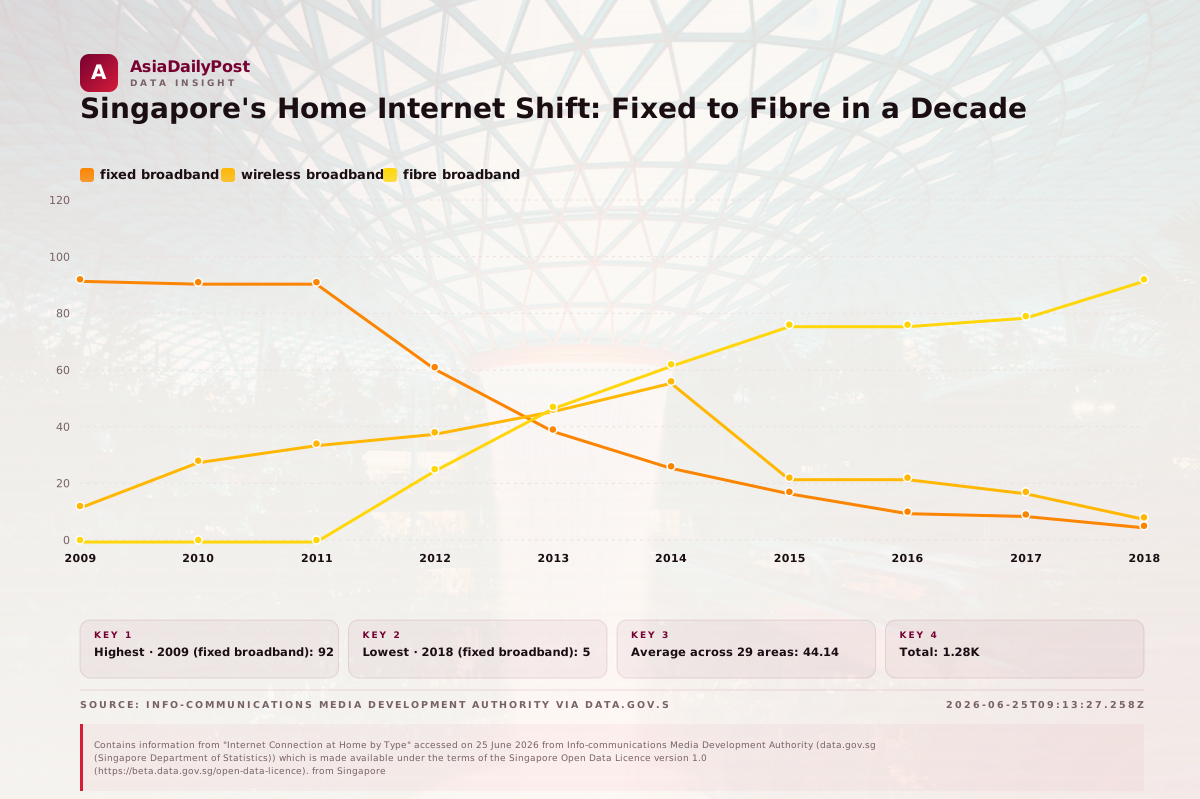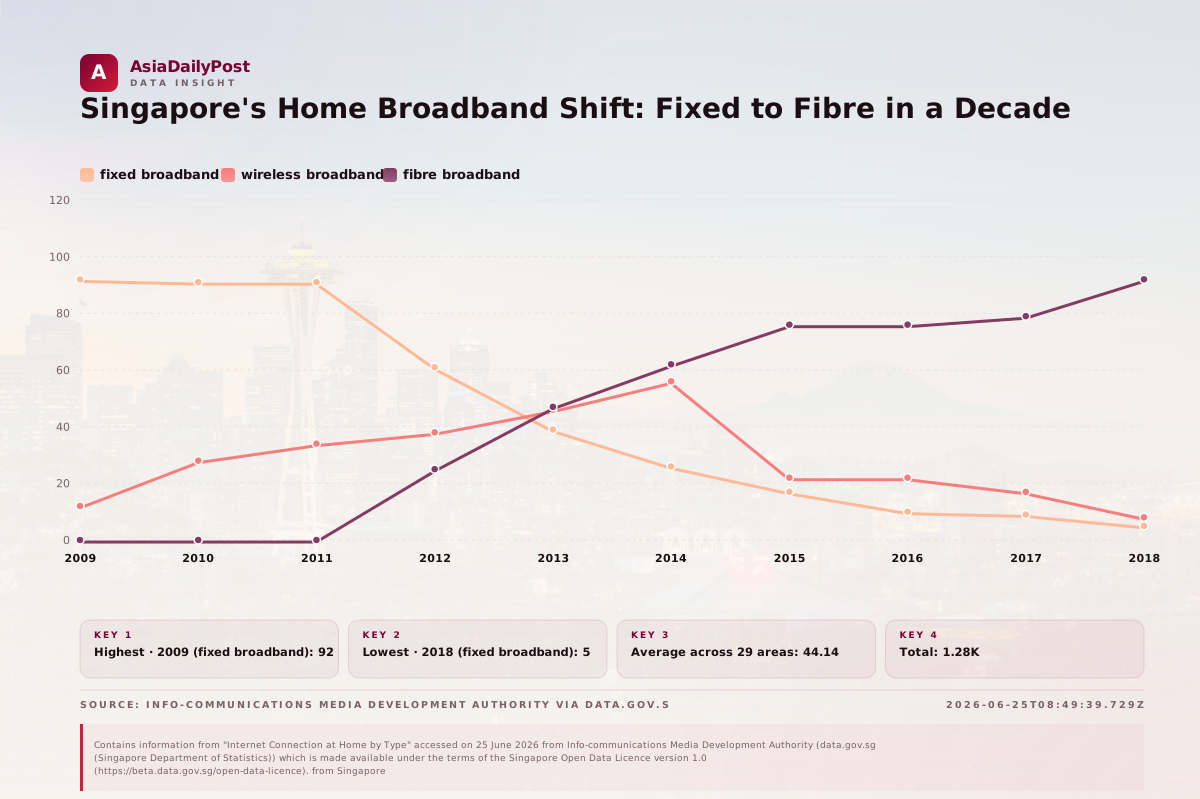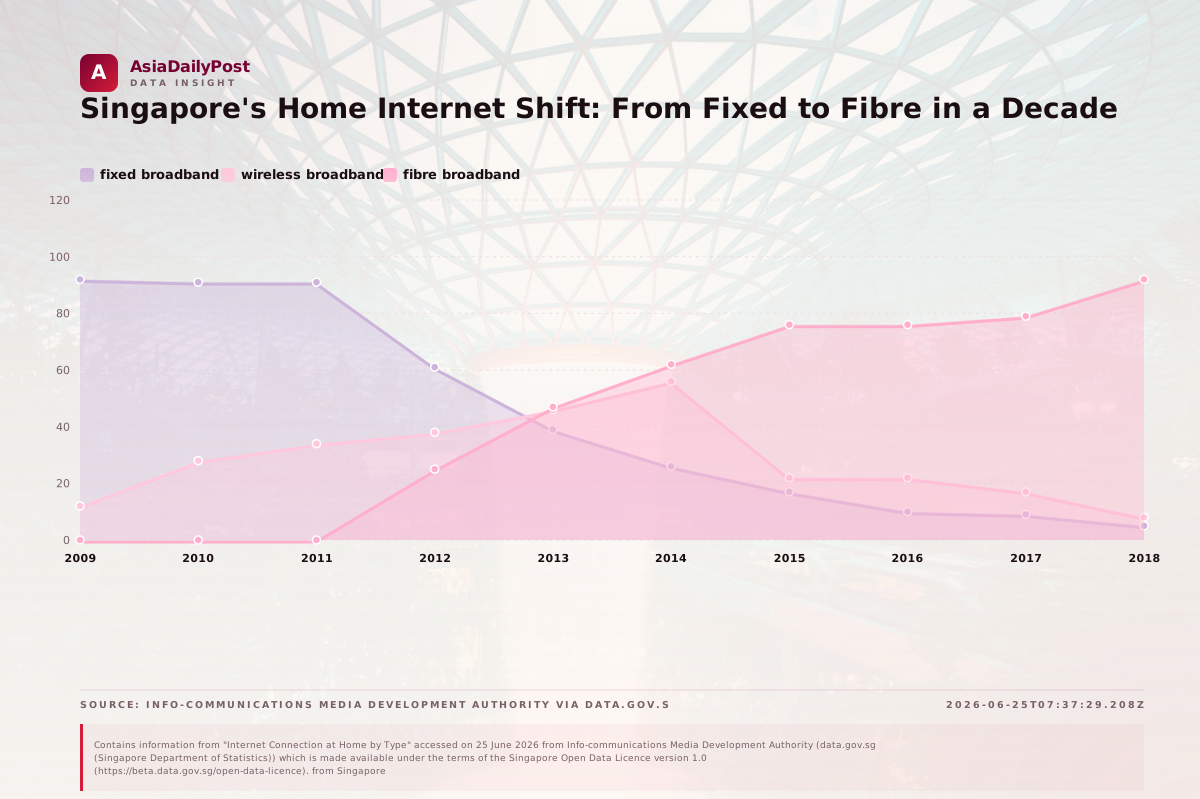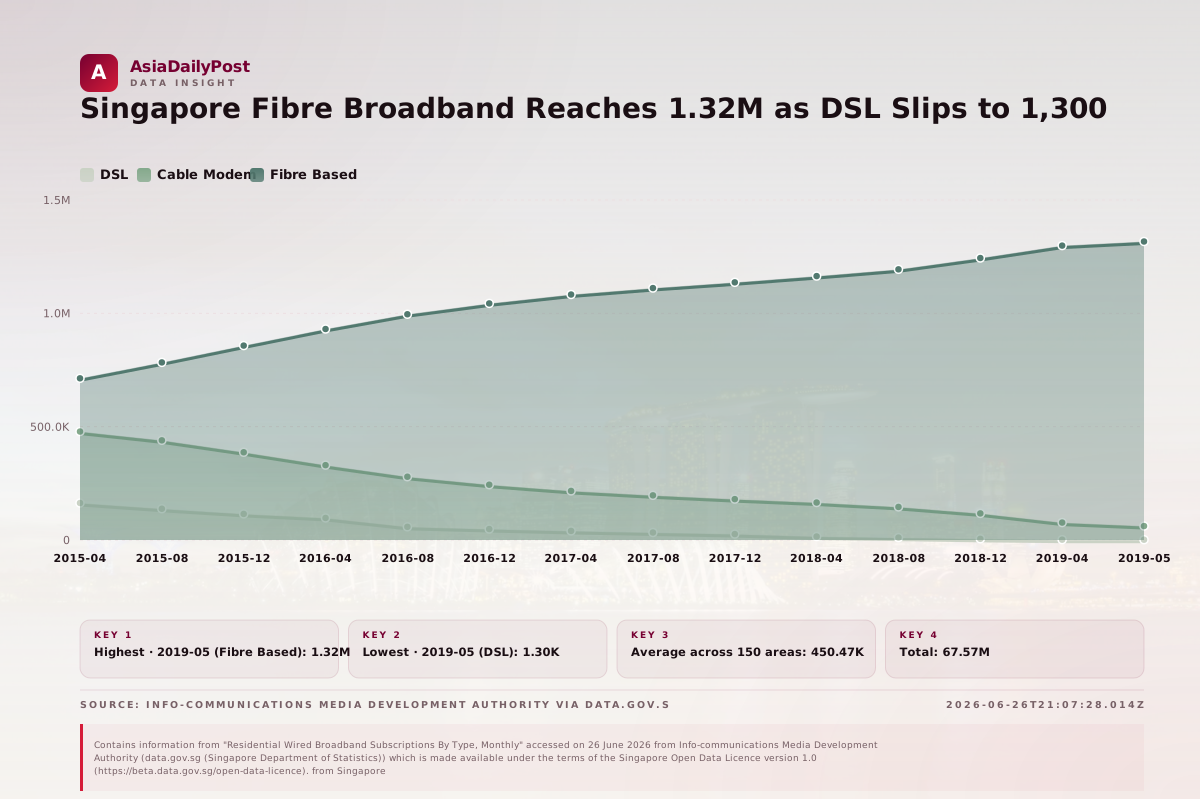
The May 2019 snapshot from Singapore’s residential wired broadband series captures a near-complete market transformation: fibre-based subscriptions reached 1,316,900 while DSL fell to just 1,300, data from the Info-communications Media Development Authority (IMDA) shows.
Top of the chart: Fibre’s meteoric rise
Fibre subscriptions more than doubled across the 50-month window, climbing from 713,274 in April 2015 to a peak of 1.32 million by May 2019. That represents a gain of over 600,000 connections, cementing fibre as the default wired broadband technology for Singapore households. By the final reading, fibre alone accounted for nearly 96% of all residential wired subscriptions.
The other end: DSL’s quiet exit
Copper-based DSL started the series with 163,198 subscriptions and contracted every single month without exception. By May 2019, the total had withered to just 1,300 — a decline exceeding 99%. Cable modem, the intermediate technology, also shed more than 400,000 subscribers over the same period, falling from 478,451 to 61,500, though its descent was less uniform.
What separates the two
The chasm between fibre and DSL reflects Singapore’s deliberate national infrastructure push. The Next Generation Nationwide Broadband Network made fibre connectivity widely available from 2009 onward, while service providers progressively retired legacy copper lines. The data shows no month where DSL gained subscribers, consistent with a one-way migration rather than cyclical fluctuation.
- Fibre Based: 1,316,900 subscriptions
- Cable Modem: 61,500 subscriptions
- DSL: 1,300 subscriptions
The open-data series captures the final stretch of a transition already well underway by mid-decade; by the close, copper-based broadband had effectively become a rounding error in Singapore’s connected-home landscape.
Source: Info-communications Media Development Authority via data.gov.sg · 2026-06-26T21:07:28.014Z