Singapore's digital infrastructure story is often told in terms of bandwidth and smart-nation ambitions, but the quieter structural shift inside its households is equally dramatic. Data from the Info-communications Media Development Authority, covering the ten years from 2008 to 2018, captures a wholesale turnover of home internet access types that changed the physical wires and signals serving nearly every home in the city-state.
What the data captures
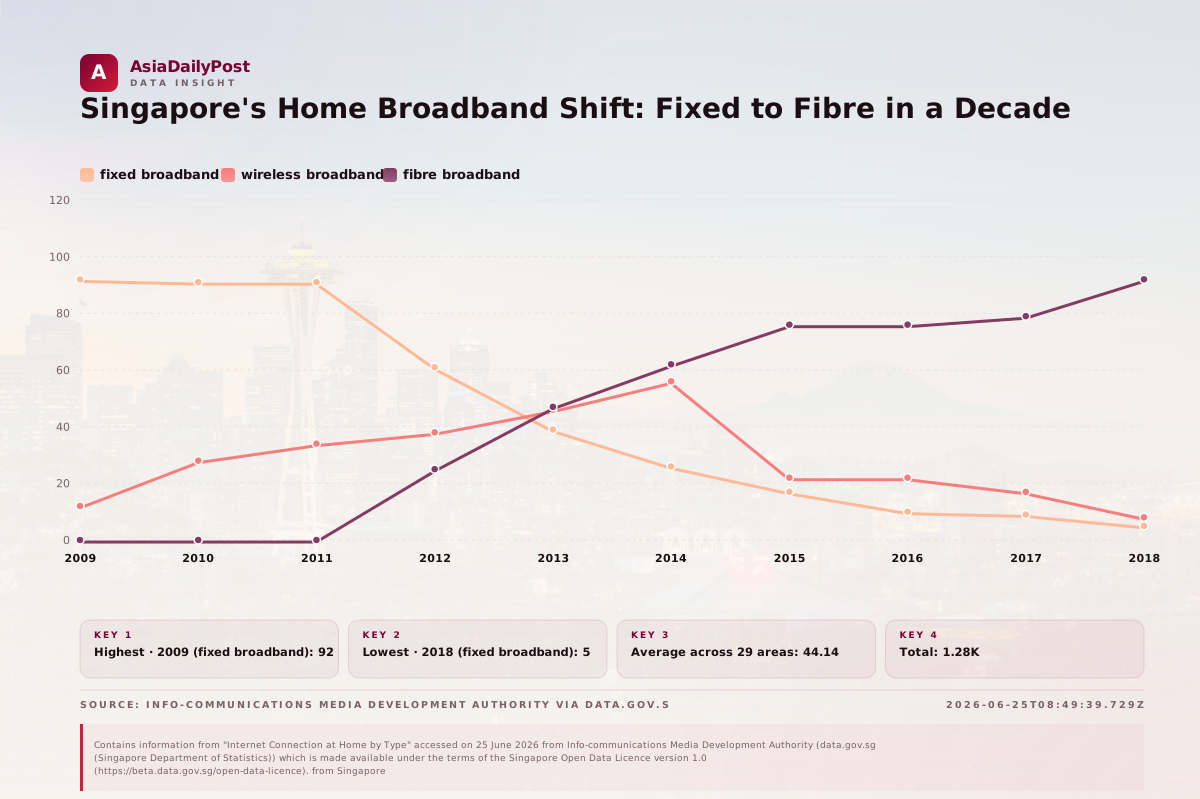
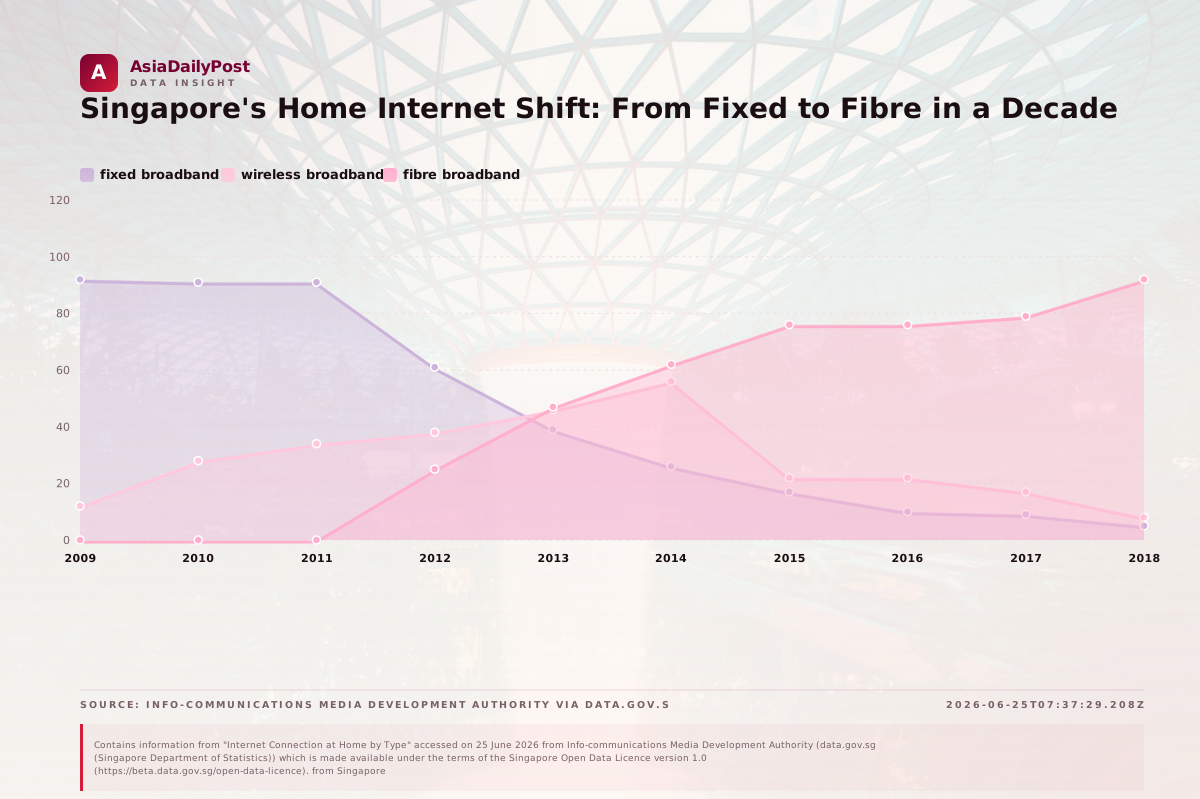
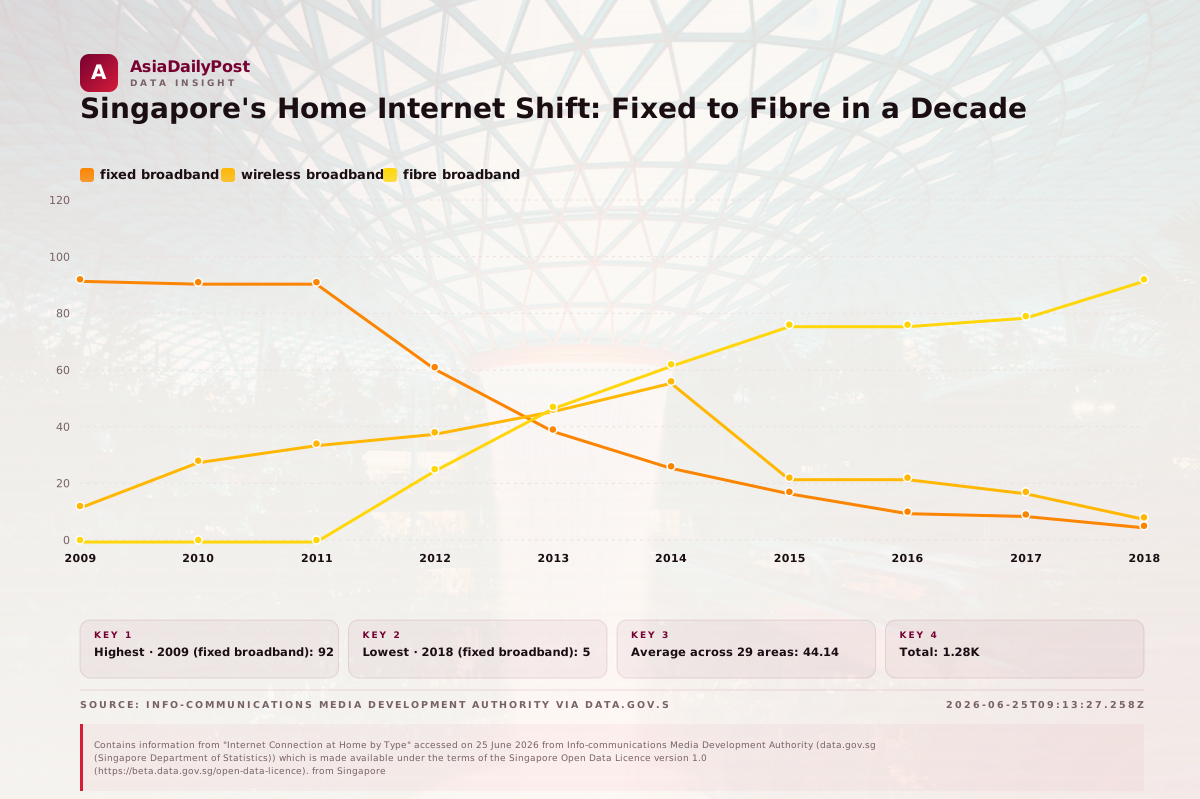
At the start, fixed broadband was the dominant force, hitting a peak of 92% of households in 2009. By the end, its share had collapsed to just 5% in 2018. Meanwhile, fibre broadband — absent from the survey before 2012 — climbed from 25% in 2012 to 92% in 2018, effectively mirroring the fixed line's trajectory in reverse.
Wireless broadband's rise and retreat
Wireless broadband surged to 56% of homes in 2014, likely fueled by improved 3G and early 4G mobile plans. Yet its role receded sharply to 8% by 2018, as households increasingly treated mobile connections as a backup rather than the primary wire — a shift that was no less telling than the fibre takeover.
Fibre broadband rewrote the home internet landscape
The transition from fixed to fibre was extraordinarily rapid: fibre went from virtually zero adoption before 2012 to a 92% majority by 2018. This pace mirrors the rollout of the nationwide fibre network and a consumer shift toward bandwidth-hungry applications. In 2013, the three connection types together reached 132% of households, indicating many kept legacy lines while upgrading.
- Fixed broadband's highest point: 92% in 2009; its lowest: 5% in 2018.
- Fibre broadband started from a null base and reached 92% in just six years.
- Wireless broadband peaked at 56% in 2014 before falling back to 8% in 2018.
- Overlap years saw total connections hit 132% as households juggled multiple access types.
For a city-state that treats infrastructure as a competitive advantage, the household connectivity data from 2008 to 2018 captures more than a technology upgrade — it reflects how decisively a coordinated national push can retire legacy infrastructure. The result is the near-universal fibre backbone that today supports everything from smart home devices to telemedicine.
Source: Info-communications Media Development Authority via data.gov.sg · 2026-06-25T09:13:27.258Z