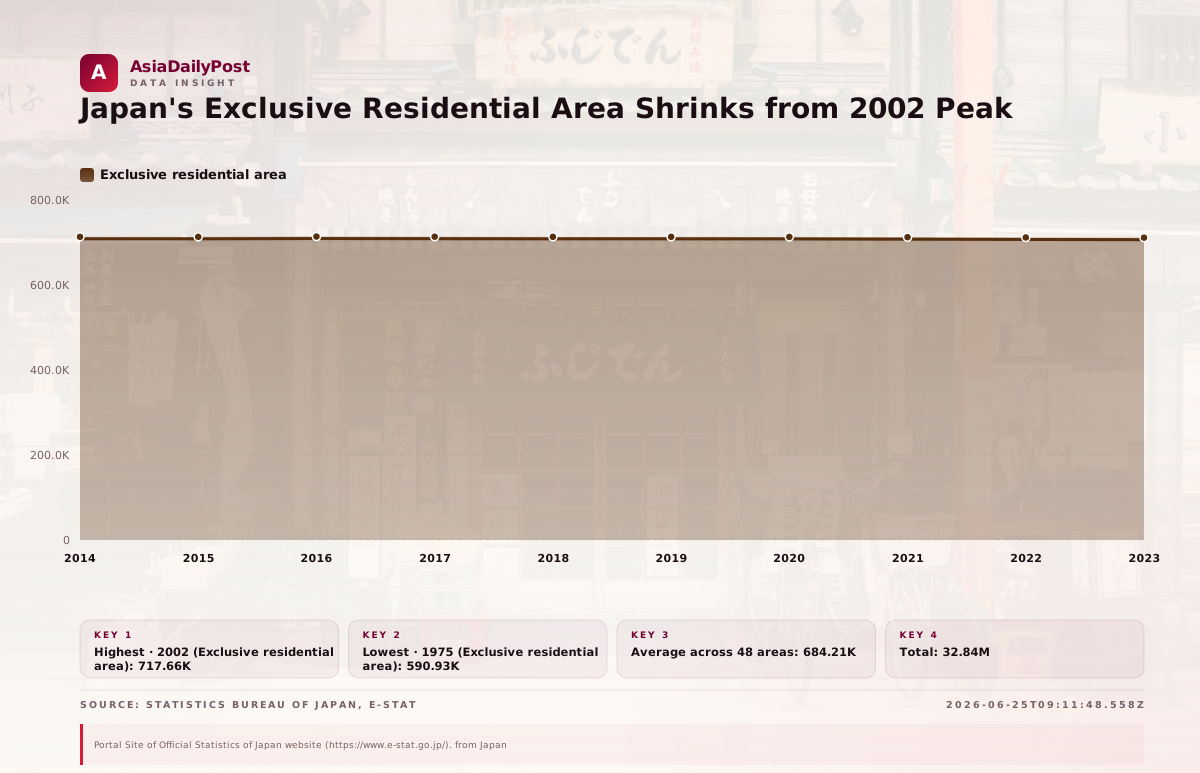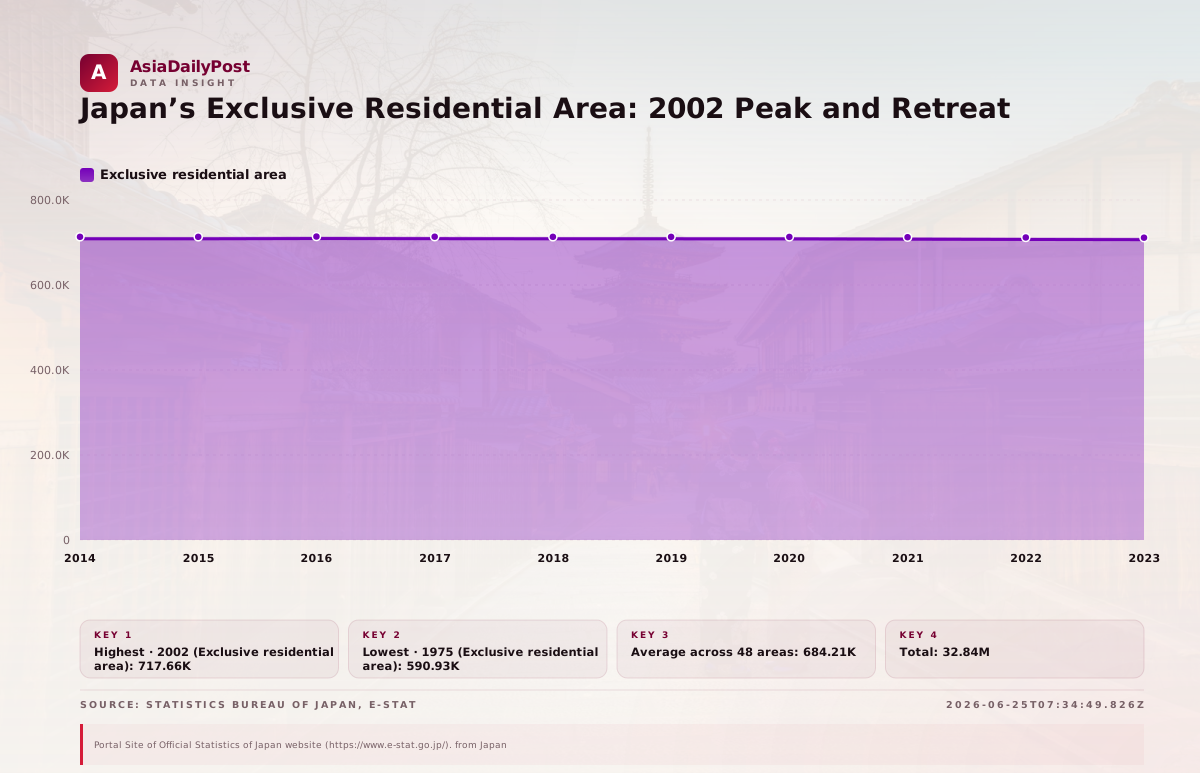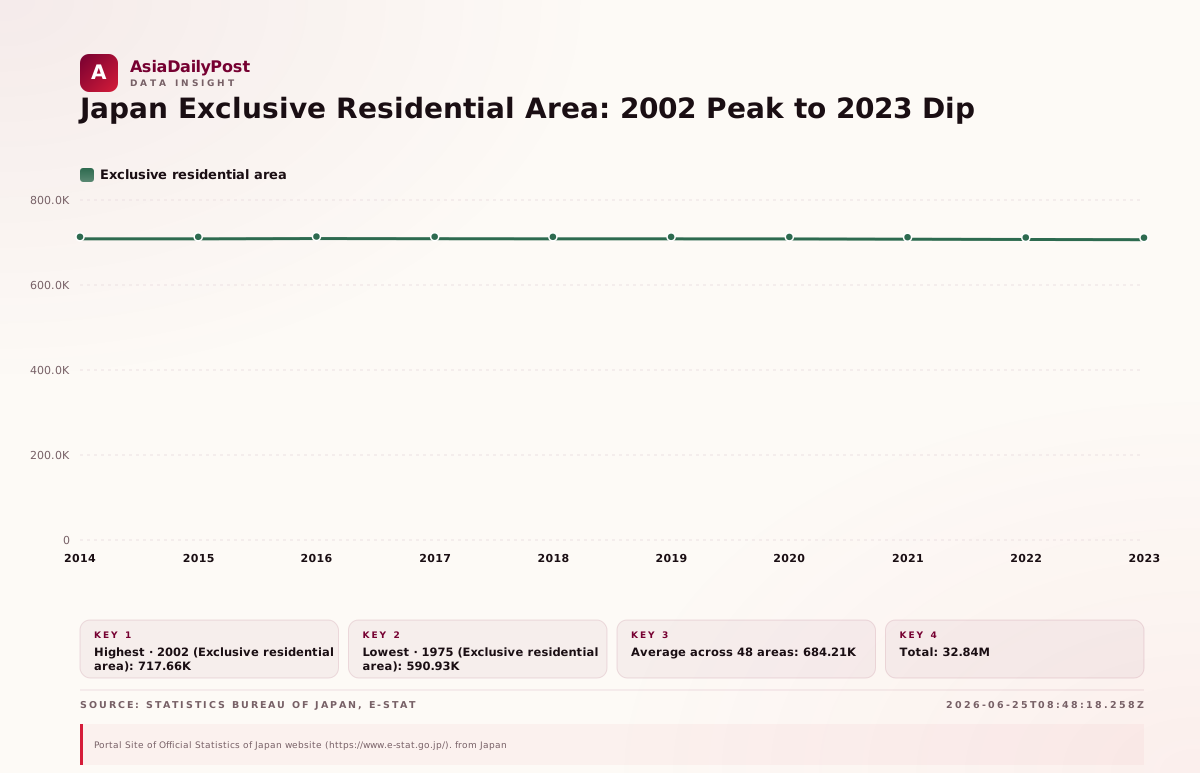
Japan's exclusive residential area — land used solely for housing, not mixed uses — reached an all-time high of 717,659 hectares in 2002, then retreated to 711,321 ha by 2023, a decline of 6,338 hectares (0.9%) over 21 years. The 48-year time series from the Statistics Bureau of Japan shows a dramatic expansion from 590,933 ha in 1975, followed by a long plateau and a gradual downward tilt.
The steady climb to a historic peak
Between 1975 and 1990, exclusive residential land expanded by nearly 76,000 ha, from 590,933 ha to 666,580 ha, mirroring Japan's rapid post-war urbanization and housing boom. Growth continued through the 1990s—albeit more slowly—finally reaching the 717,659 ha peak in 2002. At that point, the residential footprint was 21.5% larger than in 1975.
A demographic turning point flattens the curve
After 2002, the total area barely moved. In the 21st century, the annual figures have stayed within a 3,000 ha band, with the highest reading being 717,659 ha and the lowest 711,321 ha in 2023. The sustained plateau coincides with Japan's population decline and a shrinking number of households, which dampens demand for new residential plots.
The role of vacant homes and policy shifts
A growing stock of abandoned homes (akiya) and municipal push for compact city development likely contributed to some residential land being converted or taken out of exclusive use. The net effect shows up as a gentle, multi-year contraction rather than a sharp fall.
- Historic high: 717,659 ha in 2002
- Historic low: 590,933 ha in 1975
- Latest value (2023): 711,321 ha
- Peak-to-2023 decline: 6,338 ha (0.9%)
- Overall expansion 1975–2023: 120,388 ha (20.4%)
The stubbornly flat trajectory after 2002 marks a clear break from Japan's decades of residential expansion. While the footprint is still far larger than in the 1970s, the data signals that the housing land base has likely entered a period of slow structural retreat, mirroring the country's demographic reality.
Source: Statistics Bureau of Japan, e-Stat · 2026-06-25T08:48:18.258Z