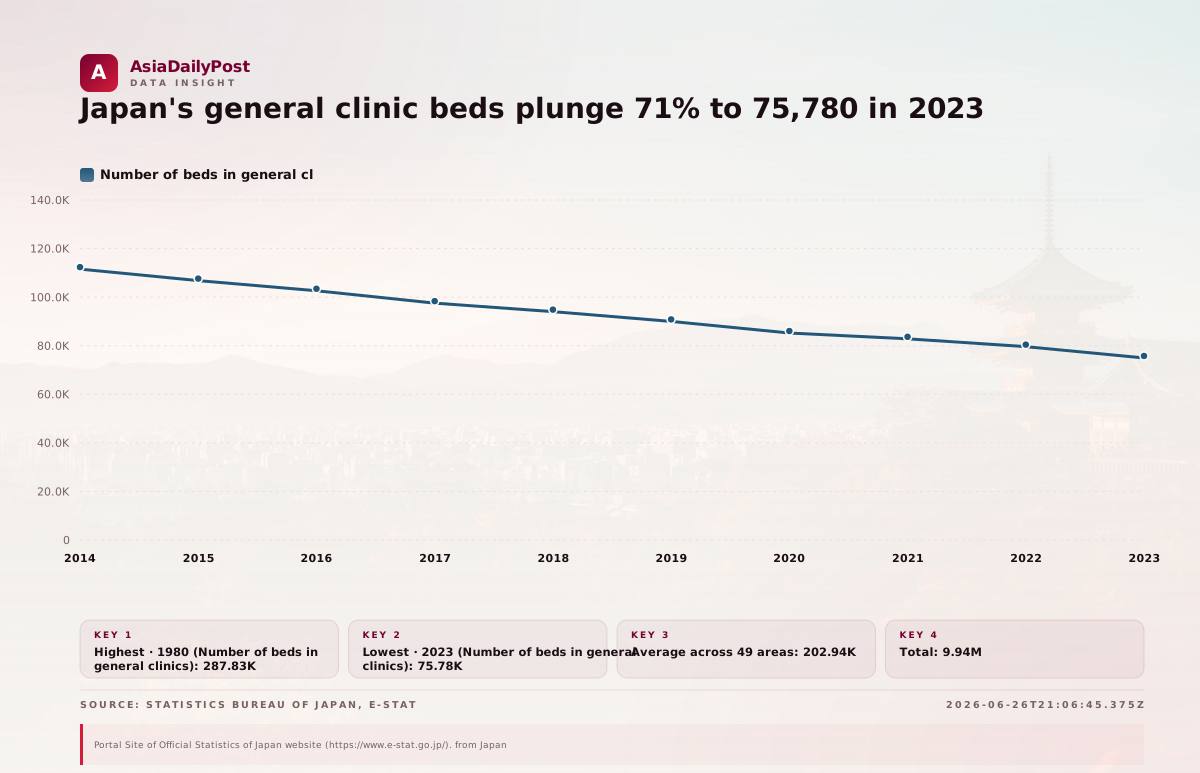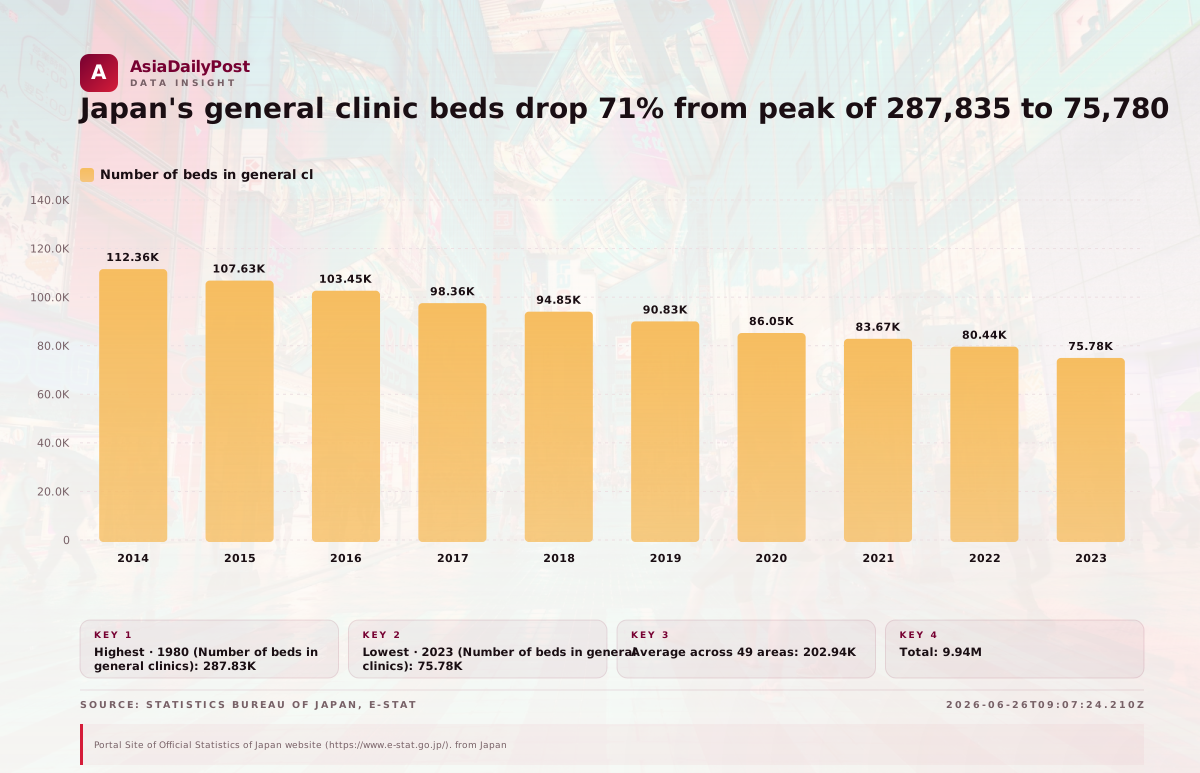
In 1980, Japan's general clinics operated 287,835 beds — the highest point in a half-century dataset running from 1975 to 2023. By 2023, that number had collapsed to just 75,780, a loss of more than 211,000 beds and a decline of 71.3 percent. The Statistics Bureau's data traces one of the most profound structural shifts in Japanese healthcare: the near-extinction of inpatient beds at small medical clinics.
Top of the chart: 1980
The peak of 287,835 beds in 1980 capped a rapid ascent through the late 1970s. In 1975, general clinics held 264,085 beds; by 1978, they had reached 277,685, and the high-water mark arrived just five years after the start of the series. That expansion reflected a post-war model in which neighbourhood clinics commonly admitted patients for short stays, supplementing the hospital system. But the apex proved fleeting — within a decade, beds began a near-uninterrupted slide that would last for over 40 years.
The other end: 2023
By 2023, only 75,780 beds remained — the lowest figure on record. The descent was not sudden but steady: after dipping below 200,000 in 2003 (187,894), the tally fell under 150,000 by 2008 (146,568) and dropped beneath 100,000 in 2019 (90,825). The pandemic years brought a further shaving: 86,046 in 2020, 83,668 in 2021, 80,436 in 2022, and finally the historic low of 75,780 in 2023.
What separates the two
The 212,055-bed gap between the 1980 peak and the 2023 trough is driven by a deliberate policy-led migration away from clinic-based hospitalisation. As Japan's population aged rapidly, the government promoted long-term care insurance, home nursing, and outpatient day services. Regulatory changes made it financially burdensome for small clinics to maintain overnight beds, while larger hospitals absorbed more complex inpatient cases. The result is that a facility type once at the heart of community medicine has largely abandoned inpatient care altogether.
- 1980: 287,835 beds
- 1979: 283,490 beds
- 1978: 277,685 beds
- 2020: 86,046 beds
- 2021: 83,668 beds
- 2022: 80,436 beds
- 2023: 75,780 beds
Every year since 1975 is recorded in the dataset, and the direction has been unambiguous: apart from minor upticks in 1976–1978 and a tiny bounce in 1989, the line traces a long, gradual descent. With no policy reversal in sight, the 2023 low is likely to be tested again in subsequent releases.
Source: Statistics Bureau of Japan, e-Stat · 2026-06-26T09:07:24.210Z