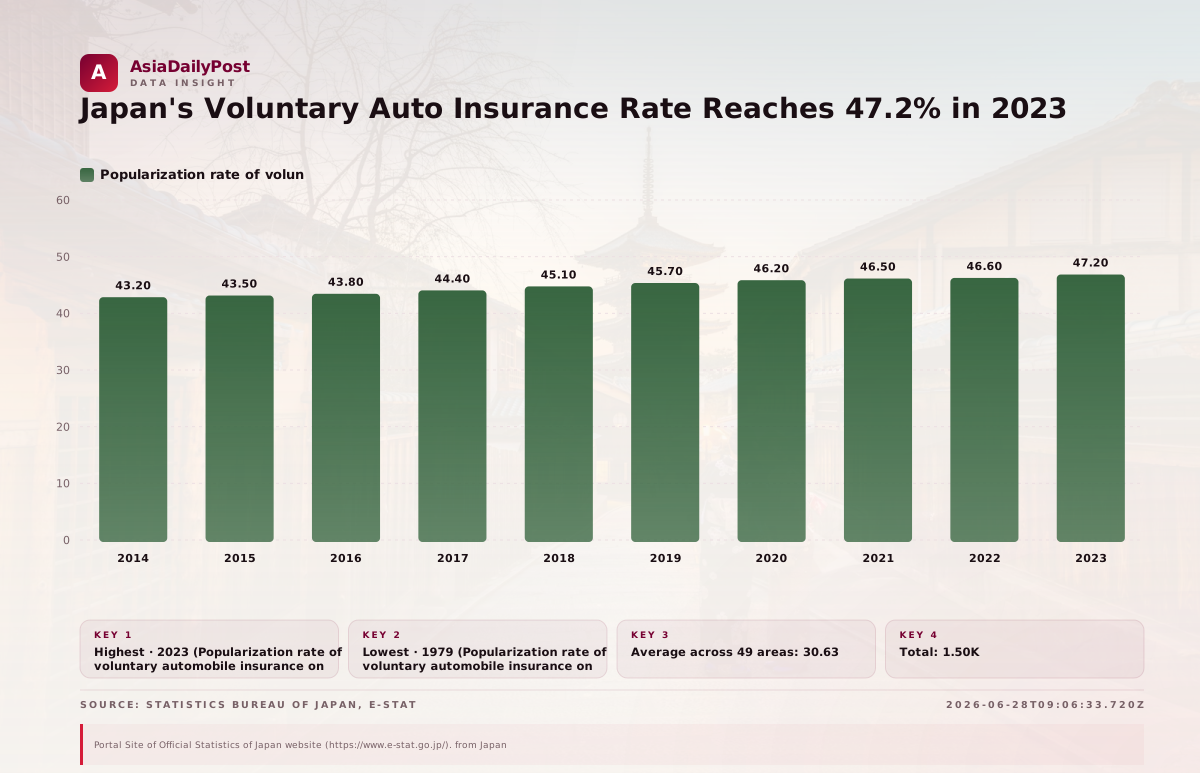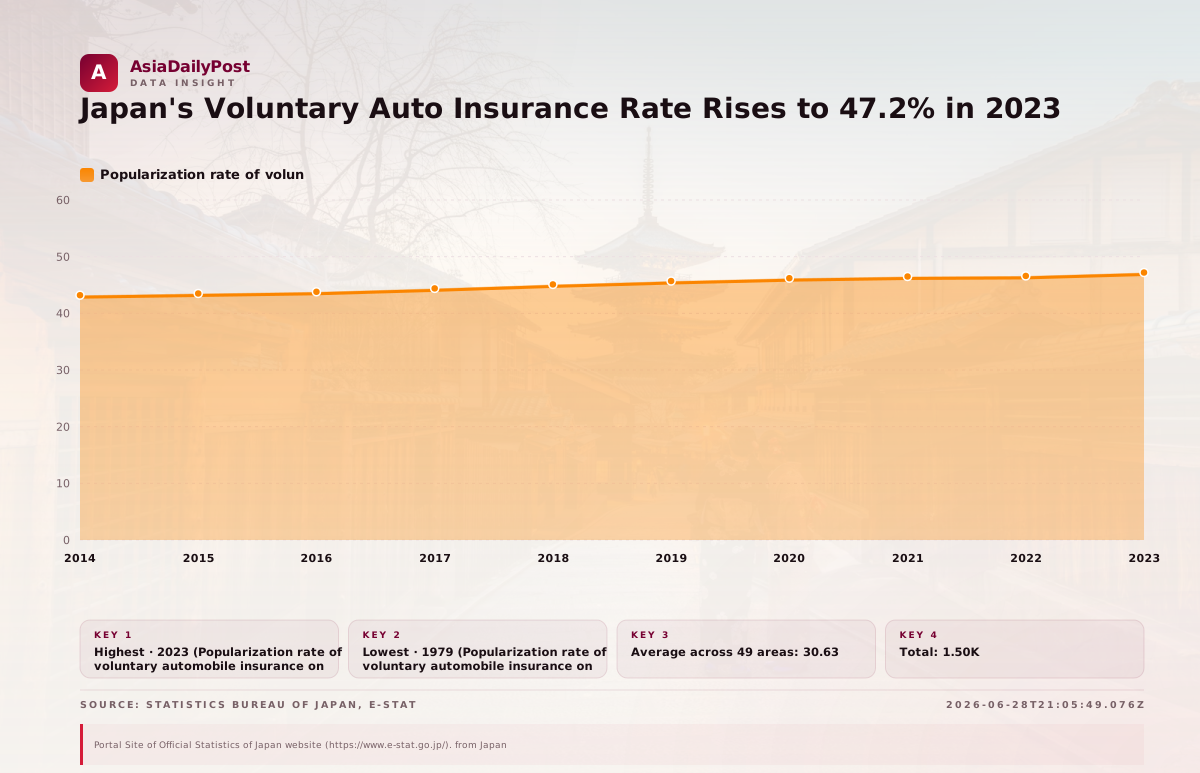
Japan's voluntary automobile insurance popularization rate reached 47.2% in 2023, a record high in nearly five decades of tracking, according to Statistics Bureau of Japan data. The climb from a low of 9% in 1979 underscores a massive shift in how drivers approach financial protection.
Key findings
- Highest rate: 47.2% in 2023 tops a near-continuous rise from the 1979 low.
- Lowest rate: The rate bottomed at 9% in 1979.
- Fivefold growth: The rate expanded more than five times over 44 years, from 9% to over 47%.
- Recent acceleration: From 2020 to 2023, the rate added 4.7 percentage points, the fastest three-year gain since the 2000s.
- Long-term average: The mean rate across 49 annual observations sits at 30.6%.
A steady climb over four decades
The trajectory is remarkably linear: after dipping to 9% in 1979, the rate climbed in most years without a single major reversal. That consistency suggests a gradual cultural shift toward purchasing optional coverage, likely driven by growing awareness of the liability gaps left by Japan's mandatory compulsory automobile liability insurance (CALI). Unlike markets with regulatory shocks, Japan's uptake increased incrementally—typically an extra percentage point each year—pointing to steady household budget decisions rather than sudden policy changes.
From 2020 onward, the pace quickened, with the rate moving from 46.2% to 47.2% in three years. This may reflect heightened risk awareness after the pandemic, though the data cannot confirm causation. The climb from under 10% to nearly half of all vehicles underscores how voluntary insurance has become a mainstream financial product.
Even at 47.2%, more than half of vehicles remain without voluntary coverage, a sizable untapped market for insurers and a reminder that public education on supplemental protection still has room to run.
Source: Statistics Bureau of Japan, e-Stat · 2026-06-28T21:05:49.076Z